Starter Motor Maintenance: Keeping Your Vehicle in Top Shape
Starter Motor Maintenance: Keeping Your Vehicle in Top Shape
Blog Article
The engine's significance in a vehicle cannot be overstated, as it serves as the power center of the automobile. For individuals looking for cost-effective solutions, second hand engines provide a feasible alternative to new engines at significantly lower prices. These used engines can perform adequately, yet it's important for buyers to tread carefully and make educated decisions. Engaging with a dependable vendor is key to understanding the benefits and features of second hand options. The origins of second hand engines can be varied, including auto salvage yards, local engine shops, and specialized suppliers. Although they often come with a lower price tag, it's essential to reflect on potential additional costs such as installation fees or warranties that may influence overall value. This article aims to highlight the crucial aspects of second hand engines, exploring their advantages, costs, and strategies for making an informed purchase at .Key Steps for Purchasing Second Hand Engines
second hand engines
Proven Tips for Shopping Second Hand Engines
Navigating the second hand engines market can be daunting. Arm yourself with insights from experienced users and professionals to protect your investment.
- Always ask for the engine's mileage and condition report.
- Research reviews on engine providers to gauge their reputation.
- Inquire about previous performance issues with similar engines.
- Set a budget that accounts for potential installations and associated parts.
- Be cautious about deals that seem too good to be true; quality often has a price.
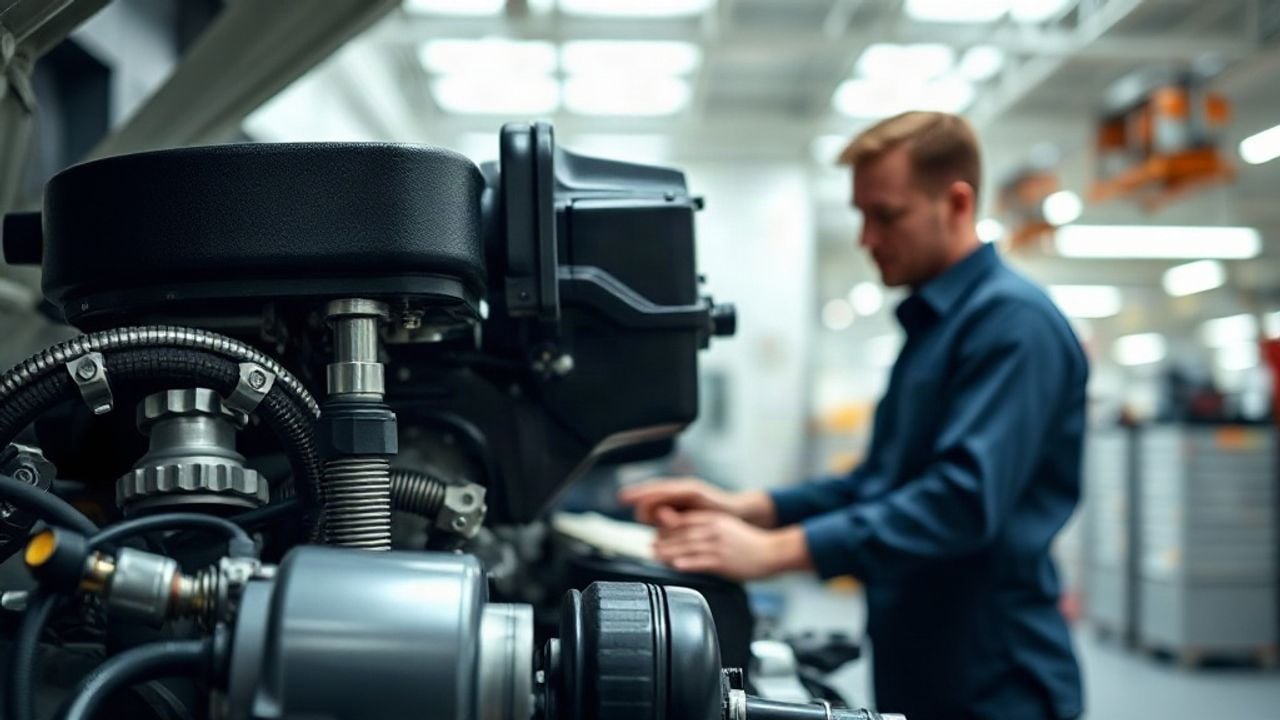 second hand enginesengine shop near me
Understanding Second Hand Engines
Second hand engines, which are engines that have been previously owned, are sold for use in different automobiles. These units include a wide range of types, from gasoline to diesel engines, and cover various models and specifications, including popular options like the V8 engine and LS3 variants. One of the biggest advantages of purchasing second hand engines is the lower price compared to purchasing new motors. Many of these units can still provide satisfactory performance, as they are often in excellent working order. However, it is important for potential buyers to conduct adequate research to identify quality engines versus those that may need repairs.
When looking for second hand engines, it's advantageous to explore multiple sources. Auto engine parts warehouses frequently have connections with trustworthy salvage yards, which facilitates access to good quality used engines. On the other hand, individuals searching for a “car engine replacement near me” can visit nearby shops that focus on selling used engine parts. Before making a purchase, it's important to carry out detailed inspections on the second hand engines, such as examining the starter motor and overall operation, to ensure their reliability.
Essential Steps for Acquiring Second Hand Engines
Finding the ideal second hand engine may appear daunting, but a systematic approach can help buyers obtain quality parts while minimizing costs. To initiate this process, it is important to ascertain the precise engine specifications required for your vehicle, information that can typically be sourced from the manufacturer's manual or dedicated automotive discussion groups. Following this, consider both contacting local engine replacement retailers and exploring online platforms for nearby options.
Considering warranty terms is also critical; reputable suppliers frequently provide some form of guarantee or return policy. Furthermore, obtaining documentation that reveals the engine's history or prior use can significantly enhance your understanding of the engine's upkeep. Always take the time to personally inspect the engine, keeping an eye out for any visible signs of wear or corrosion that could indicate future complications.
Finally, it’s wise to thoroughly evaluate the total costs involved in purchasing the second hand engine. This includes not only the engine's cost but also delivery charges, the expense of installation, and any additional components necessary for proper integration. Awareness of these elements is crucial for a hassle-free replacement process.
Warranties and Quality Assurance
Warranties play a significant role when purchasing second-hand engines. These guarantee that the engine is functional and offers protection if defects arise shortly after purchase. It's advisable to choose sellers providing warranty options on their second hand or rebuilt products. Doing so ensures that should any issues occur, the buyer has recourse to remedy them without additional financial strain.
Quality assurance is also key; reputable suppliers often adhere to strict inspection processes before selling their engines. Customers should inquire about how the engines have been refurbished and what kind of testing has been performed. When purchasing from an engine shop near you or a recognized retailer, ensure that their processes meet industry standards. This concept extends beyond physical condition, covering aspects such as performance history and durability records. Such diligence ultimately leads to better outcomes and can mitigate unexpected costs related to engine malfunctions.
One relevant topic for deeper understanding is . This concept ties into second hand engines as many options are refurbished to restore functionality while being sold at affordable rates.
Frequently asked questions
What is second hand engines?
Second hand engines are pre-owned engine units that can be installed in vehicles as replacement parts, often providing a cost-effective alternative to new engines.
How do I choose a second hand engines provider?
Choosing a provider involves researching their reputation, checking warranty options, and thoroughly inspecting the engines offered before making a purchase.
How much does second hand engines cost?
The costs of second hand engines can vary widely depending on the engine type and supplier, but they typically range from a few hundred dollars to several thousand.
Second hand engines represent a practical choice for budget-conscious vehicle owners. By understanding what to look for and how to navigate the purchase process, it’s possible to find a suitable engine at a reasonable price. With proper attention to detail and research, buyers can enjoy reliable performance without breaking the bank.
Making a smart choice in the second hand engine market not only extends the life of your vehicle but also helps you learn more about the components that keep it running. Investing time in this process can yield great advantages in both function and cost.